
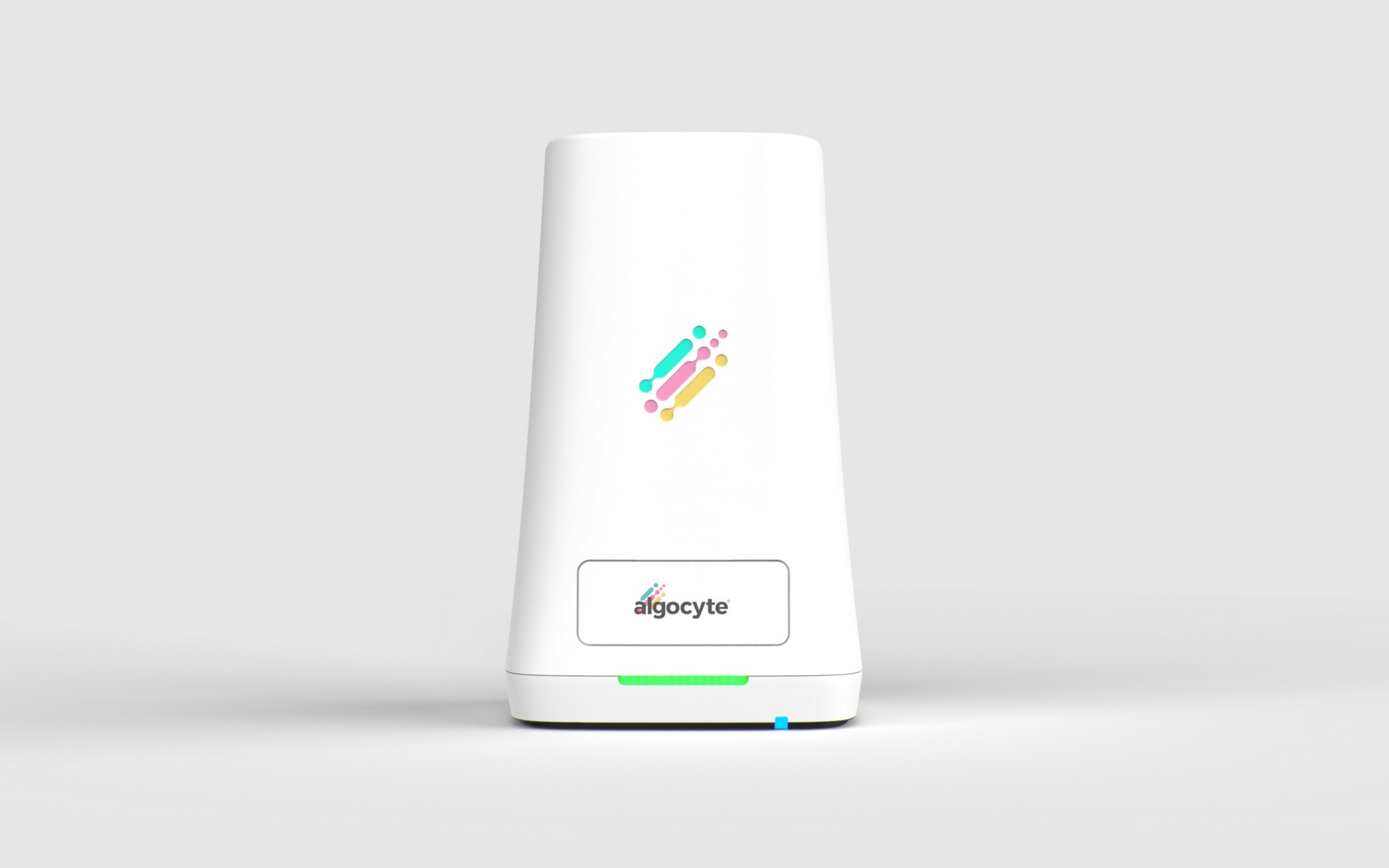
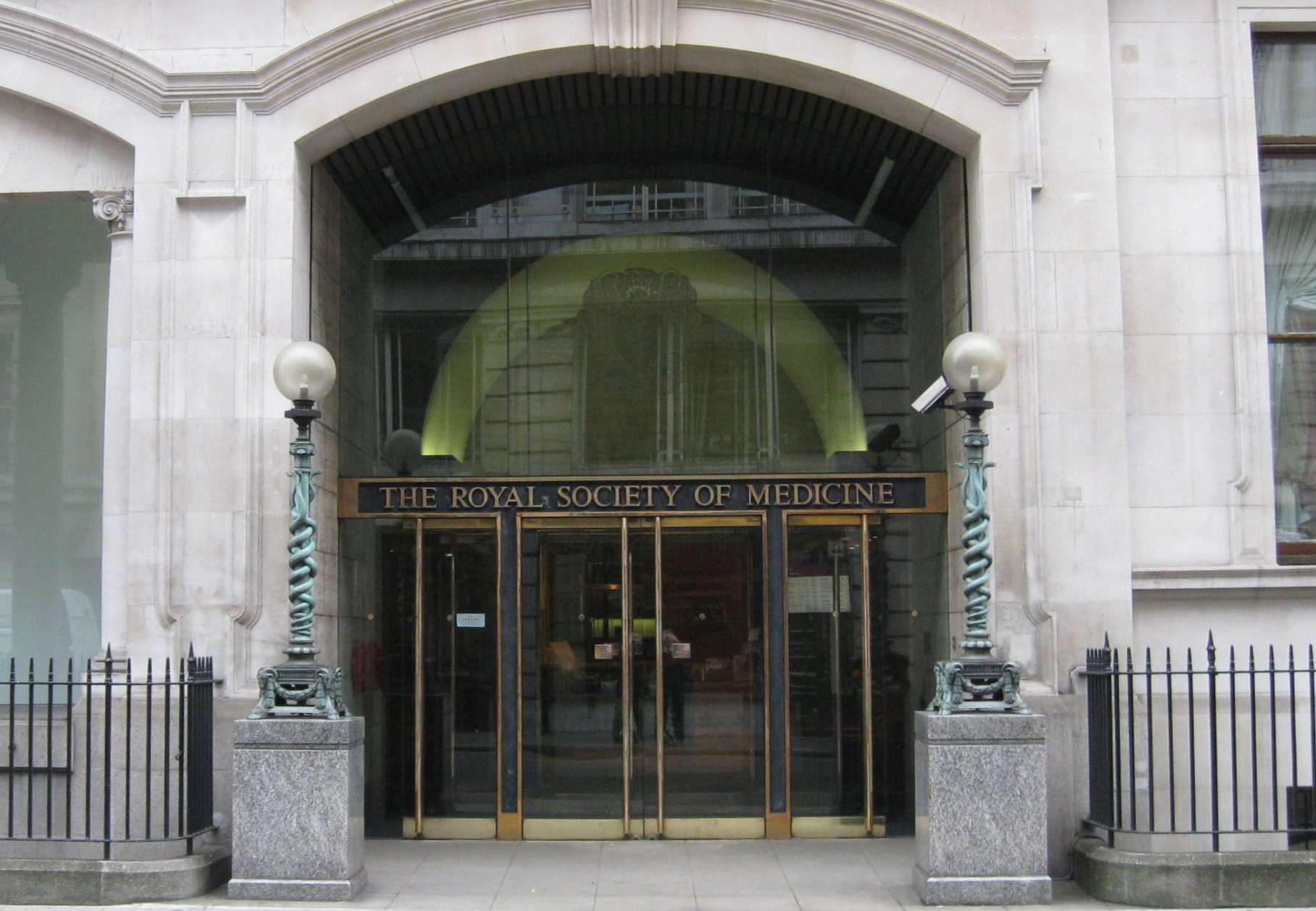
London, United Kingdom, 2 July 2026 — Algocyte® announced the launch of its Algocyte PROXIMA™ Mobile Health Station (MHS) at an event hosted at the Royal Society of Medicine (RSM) in London last week, where the company presented the current capabilities and future direction of its physics-informed AI technology designed for regular and remote health monitoring at home. For one day, the RSM was transformed by Algocyte's branding as the company unveiled Algocyte PROXIMA™.
Introducing Algocyte PROXIMA
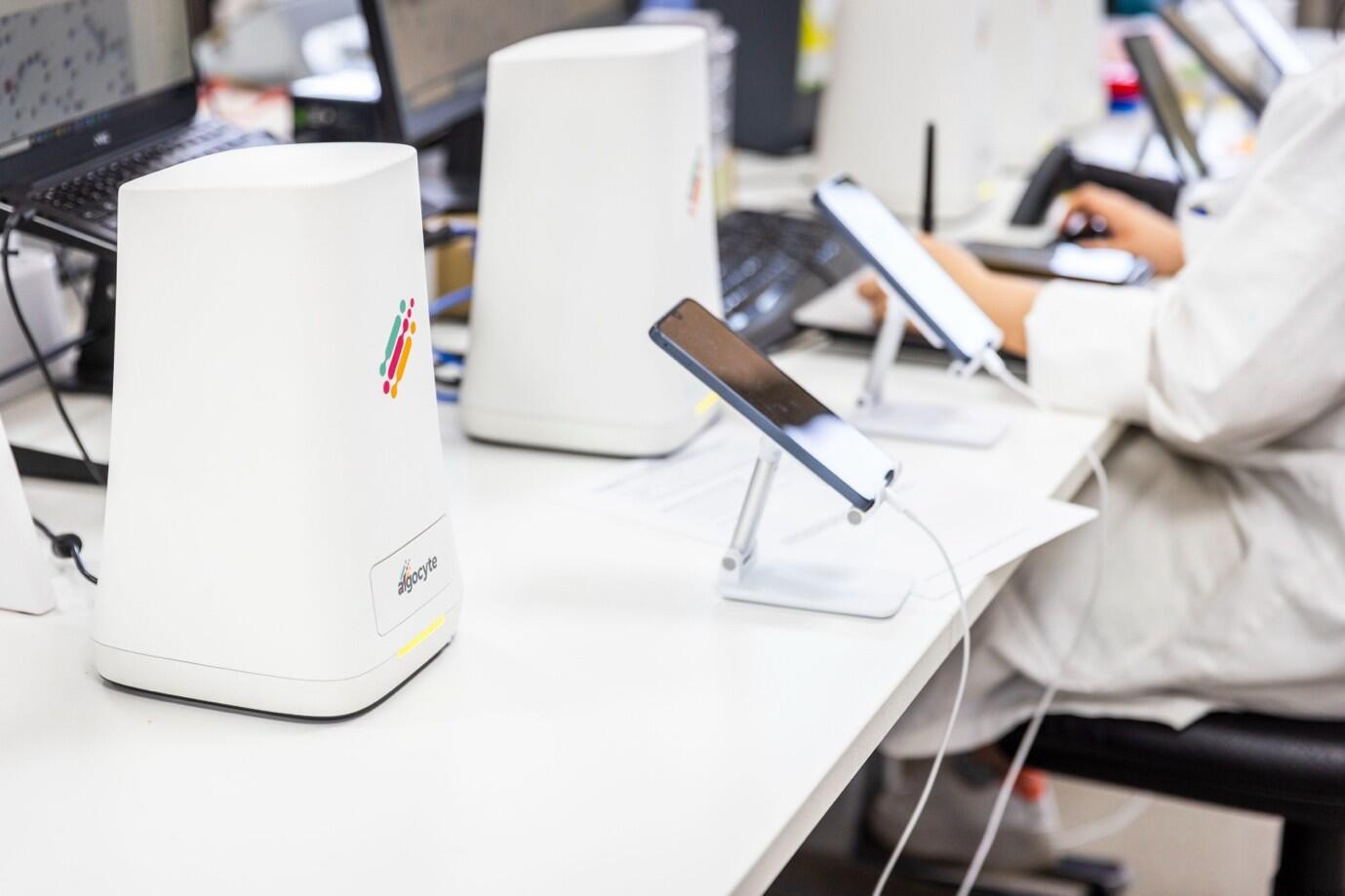
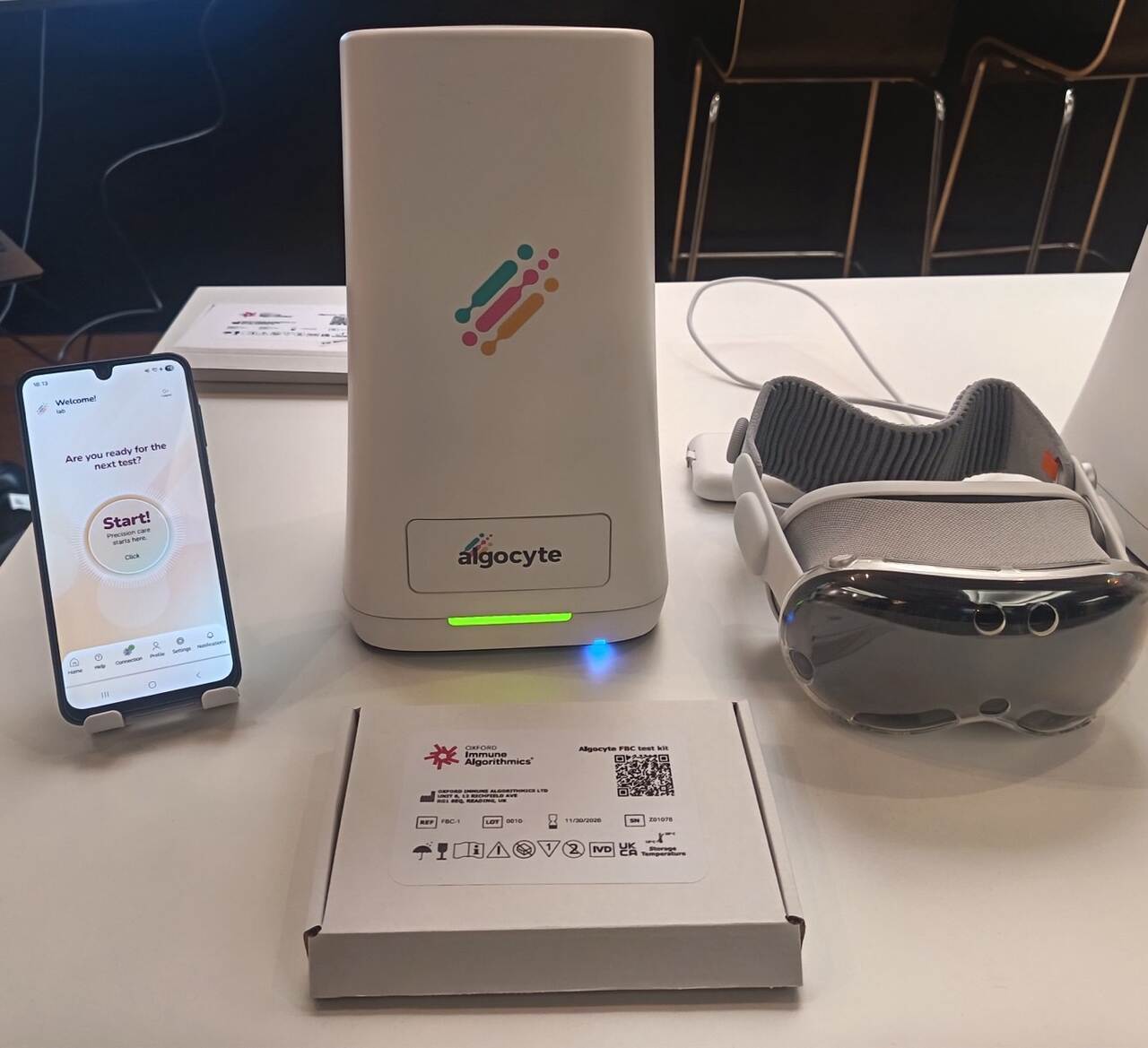
Algocyte PROXIMA, designed and manufactured entirely in the UK, is an ultra-portable, versatile medical instrument intended for use by non-specialist healthcare providers, including nurses, GPs, pharmacists and care home staff, rather than laboratory technicians or phlebotomists. It requires only a small blood sample, comparable to that used for routine home glucose testing.
Algocyte was created by Oxford Immune Algorithmics, a company incubated by the University of Oxford, spun out from King's College London, with research from and studies conducted within the Cambridge and NHS ecosystems.
Launch event
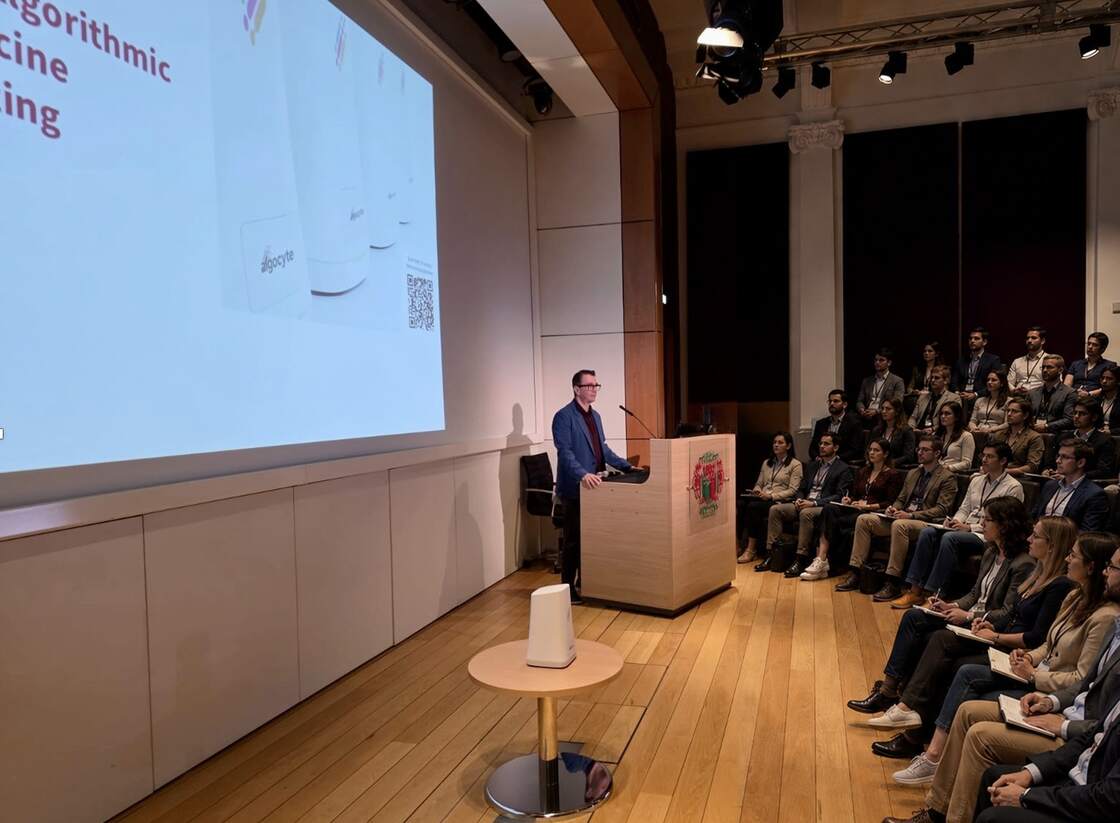
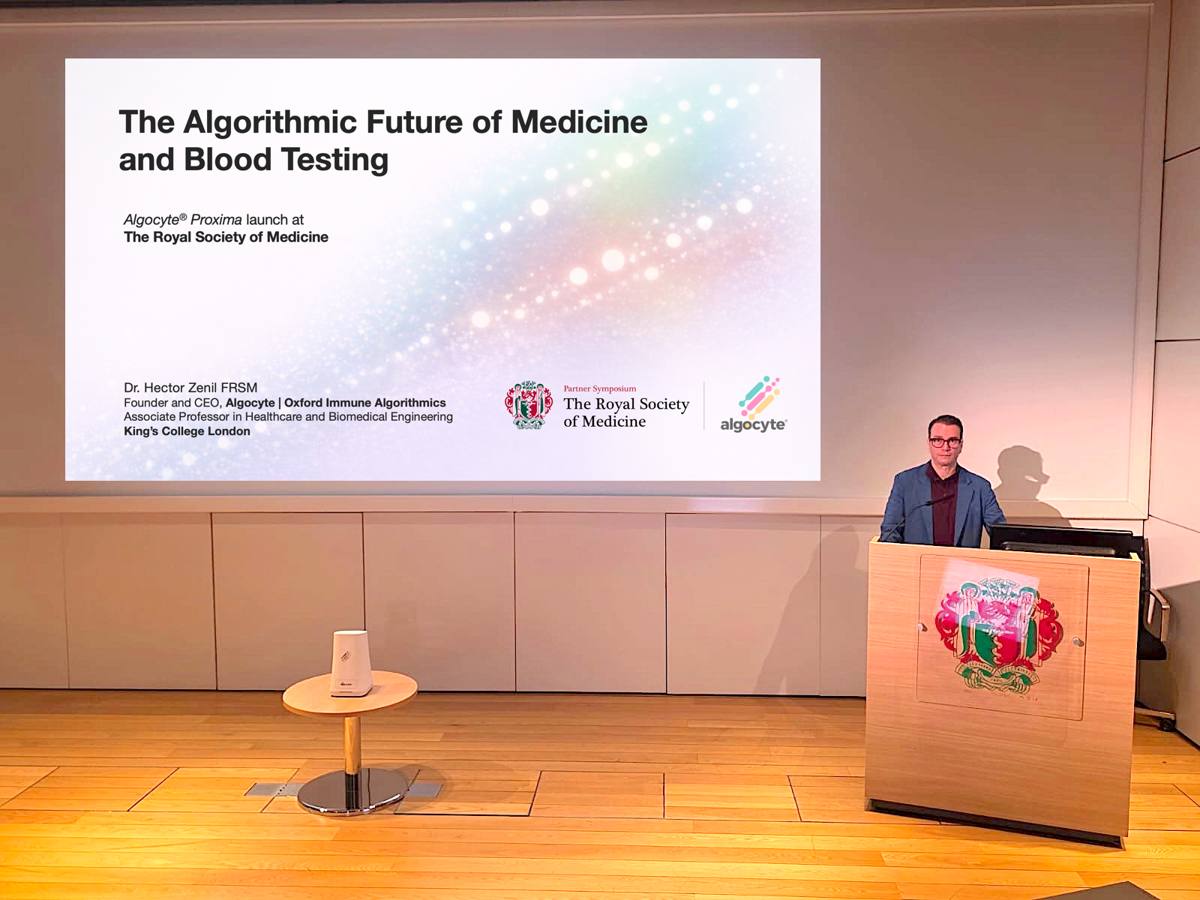
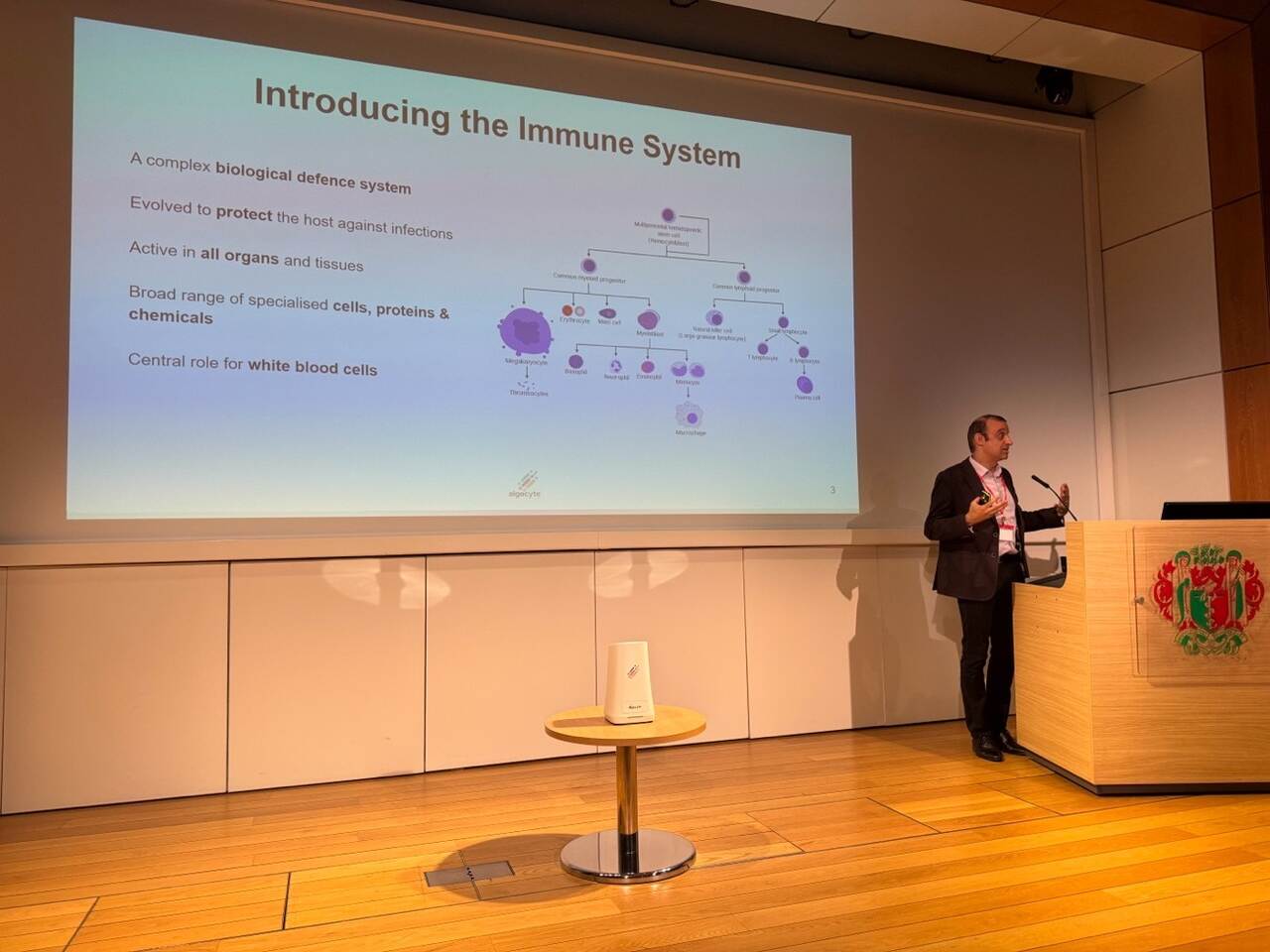
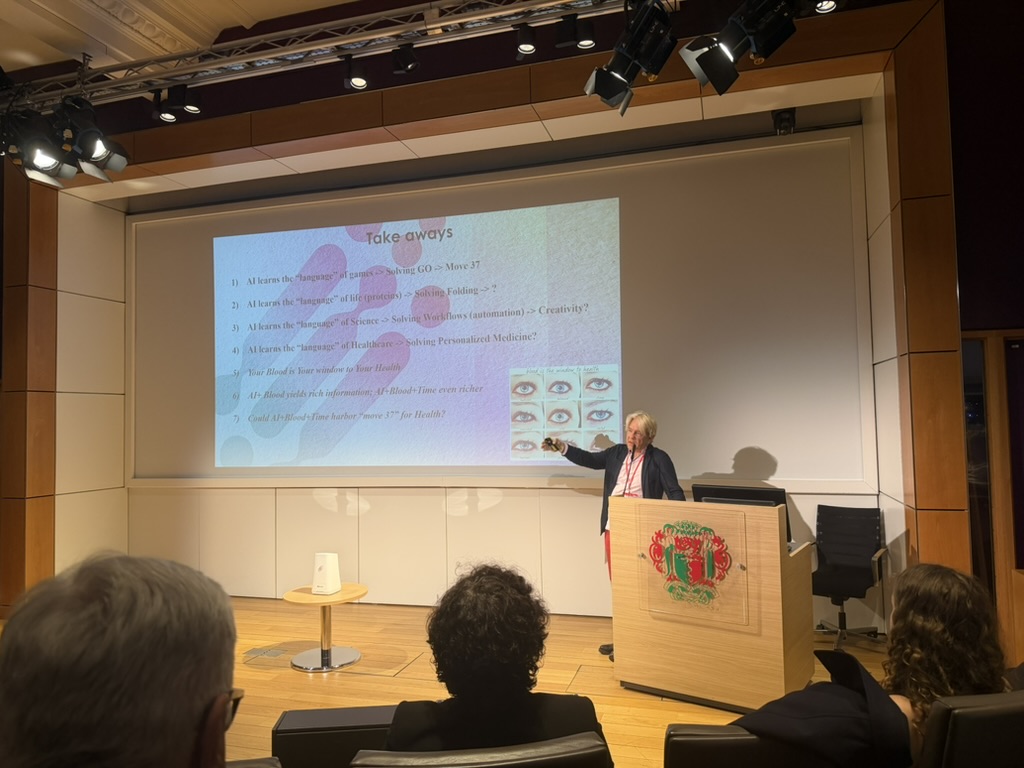
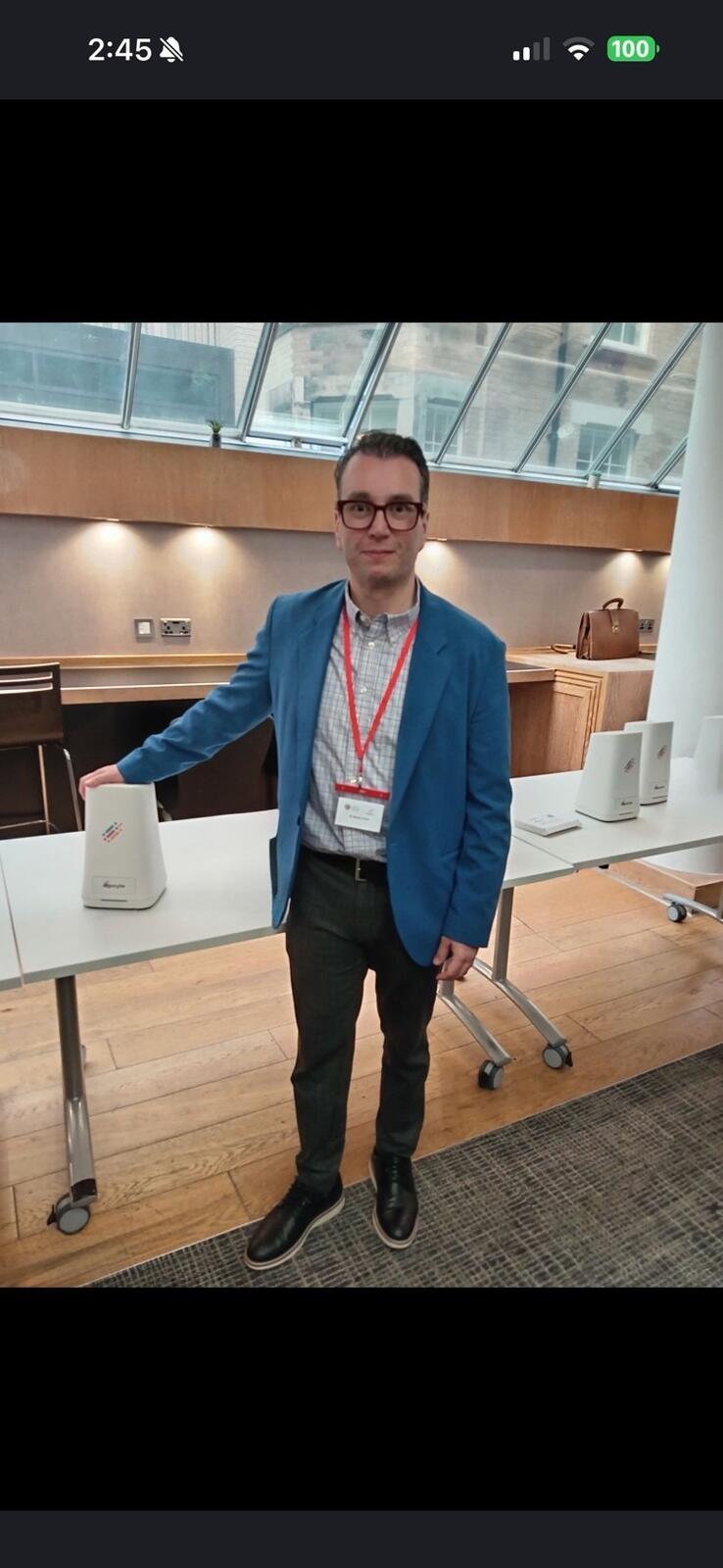
The launch of Algocyte at the Royal Society of Medicine featured a series of activities, including live demonstrations of the device in the Caversham Room and of an immersive virtual reality training platform, three keynote talks delivered by internationally recognised professors in the Naim Dangoor Auditorium, and a company dinner held in the Society's Members' Dining Room.
The speakers included:
- Dr Kourosh Saeb-Parsy FRCS, Chief Medical Officer of Algocyte, Professor of Transplantation at the University of Cambridge and Honorary NHS Consultant associated also to Harvard's Massachusetts General Hospital, who presented the importance of regularly monitoring the immune system for precision medicine.
- Dr Jesper Tegnér, Director of Algocyte, Professor of Bioscience and AI at KAUST and Chair Strategic Professor of Computational Medicine at the Karolinska Institute (the institution that awards the Nobel Prize in Physiology or Medicine), who discussed the role of AI in medicine and the immune system.
- Dr Hector Zenil FRSM, Founder and CEO of Algocyte and Associate Professor of Healthcare Engineering at KCL, also with the King's Institute for AI and the Cancer Research Group at the Francis Crick Institute who presented how disease signatures can be generated and monitored using Algocyte's technology.
The session was chaired by Dr Narsis Kiani, member of the Scientific Advisory Board of Algocyte, Senior Researcher from the Department of Oncology-Pathology of the Karolinska Institute and leader of the Algorithmic Dynamics Lab.
Immersive virtual reality training
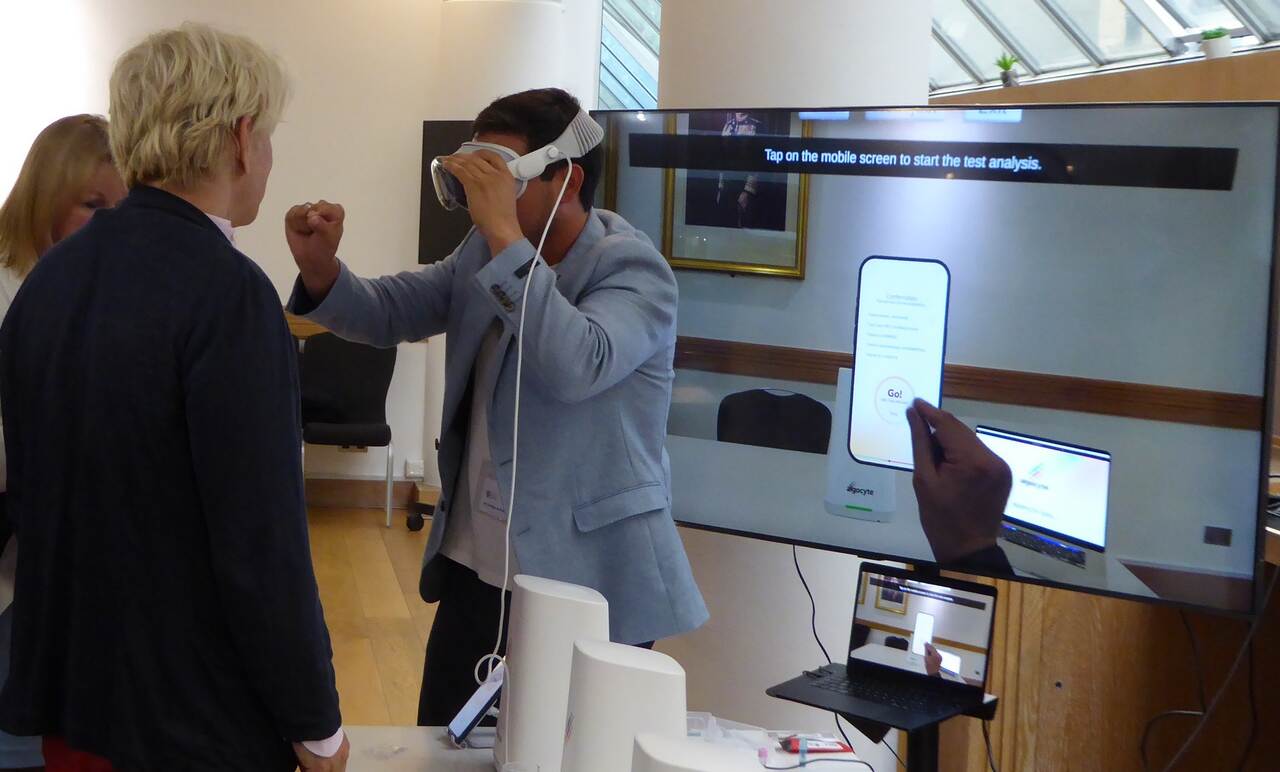
The immersive virtual reality platform demonstrated during the event enables healthcare professionals, including nurses, as well as patients, to learn how to operate Algocyte PROXIMA within a fully virtual environment that simulates the complete testing workflow using an Apple Vision Pro from preparation to producing the test results in a real-world scenario, representing a first for a medical instrument of its type.
Within the immersive experience, users can perform the entire testing procedure in real time, from preparing the device and collecting a finger-prick blood sample to operating the analyser, interacting with every component of the testing kit, pairing the instrument with a mobile phone, and reviewing the results on a virtual laptop. The platform provides a realistic, fully interactive training environment that mirrors the complete user experience without requiring a physical device or consumables.
Technology and engineering
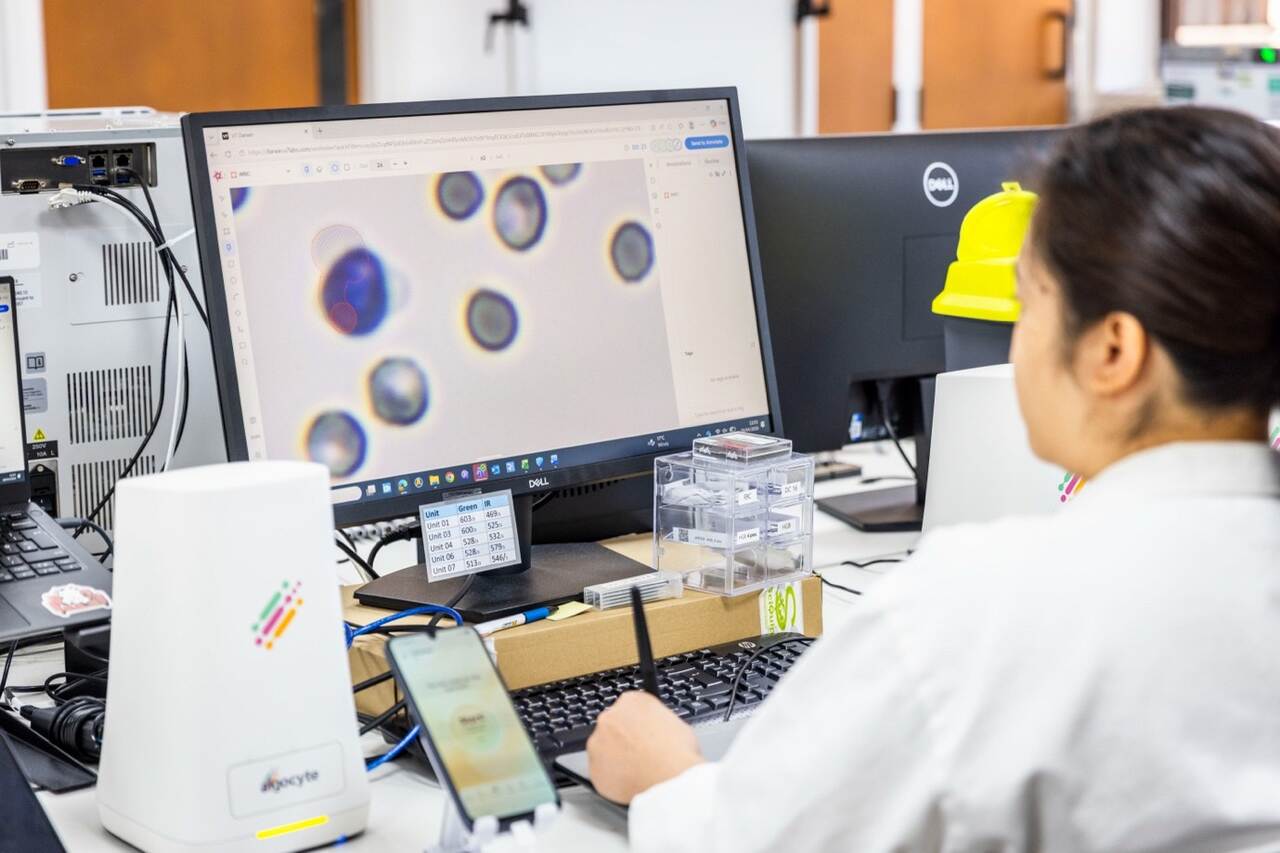
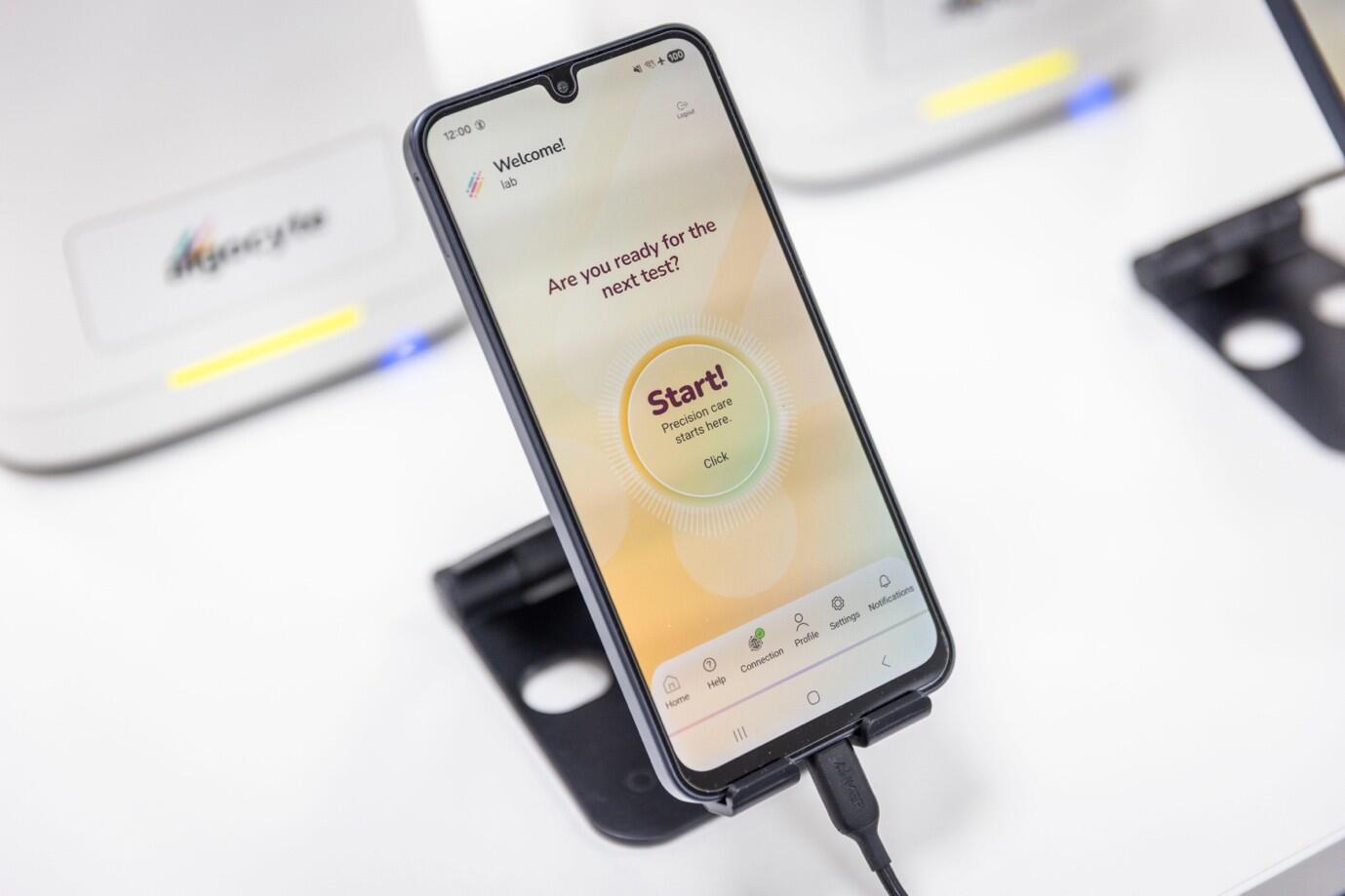
Algocyte PROXIMA performs its blood analysis by combining two independent sensing technologies that keep its AI models grounded in biological measurements through a physics-informed approach. The instrument is operated via a mobile phone over Bluetooth, can function autonomously using a compact external power bank, and has been tested across multiple mobile connectivity environments, including Ethernet, WiFi, 5G and 4G hotspots, enabling deployment across a wide range of possible settings and relevant to diseases and conditions such as anaemia, infection, inflammation, and cancer.
"We believe that the medical instruments of the 21st century should be as connected, portable and intuitive as the smartphones and devices we use at home," said Dr Hector Zenil, Founder and CEO of Algocyte, and Associate Professor of Healthcare Engineering at King's College London.
Its hybrid AI architecture leverages Algocyte PROXIMA's proprietary US patent-granted and patent-pending technologies, combining complementary deep learning models, including convolutional neural networks and Vision Transformers, with Algocyte's quantum-inspired aggregation inference method. By incorporating measurement redundancy and cross-validating signals from multiple sensing modalities, the system enables the measurement of the 11+ biomarkers that comprise a Full Blood Count, a capability unmatched by any other portable device designed for home use.
"By grounding outputs in measurable physical parameters and cross-validating signals between sensors, the device's technological design constrains model behaviour and supports higher performance," said Dr Zenil. With over eight written and edited books (Cambridge University Press, WSPC/Imperial College Press and Springer Nature), one with a foreword by Sir Roger Penrose (Nobel Prize in Physics 2020) and over 120 peer-reviewed papers in high-impact journals ranging from Nature to Royal Society journals, Dr Zenil is a world leader in the application of model-driven AI to systems biology. He currently lectures and supervises Masters and PhD students in biomedical engineering and healthcare technologies at the Departments of Biomedical Engineering and Digital Twins, Faculty of Life Sciences & Medicine at King's College London.
From idea to market
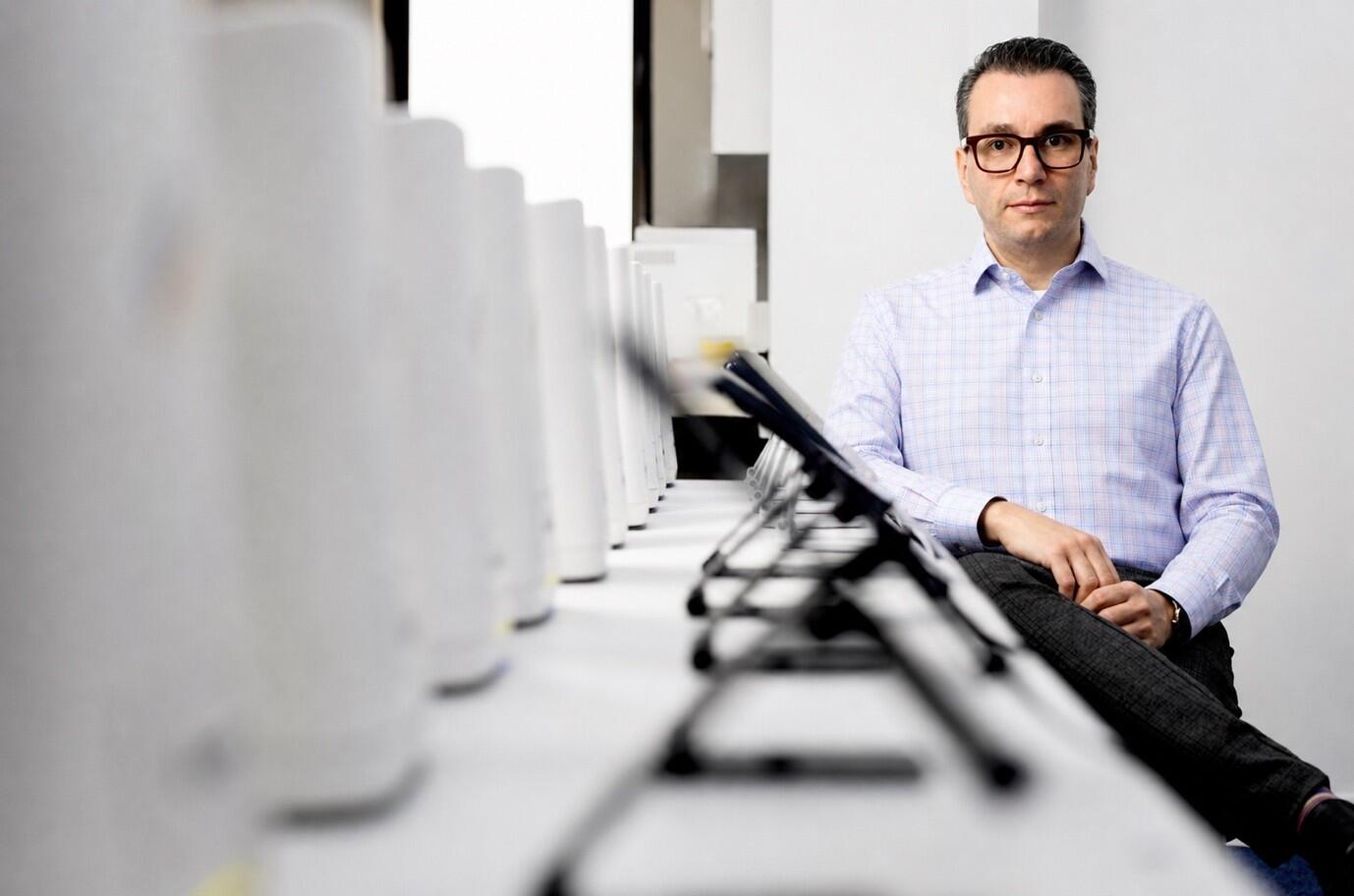
Dr Hector Zenil first conceived the idea for Algocyte while affiliated with the Karolinska Institute in Stockholm, Sweden, where he worked under the mentorship of Prof Jesper Tegnér through a prestigious young researcher grant awarded to Dr Zenil by the Swedish Research Council.
While in Stockholm, Dr Zenil recognised an opportunity to bridge the gap between advances in systems immunology and routine clinical practice. Building on research carried out at the Algorithmic Dynamics Lab, which he co-led with Dr Narsis Kiani at the Center for Molecular Medicine, he envisioned a technology capable of continuously monitoring the immune system to better understand, detect and ultimately help prevent the transition from health to disease.
After returning to the United Kingdom, Dr Zenil held successive research and academic appointments across each of the UK's Golden Triangle universities. He first joined the Structural Biology Group at the Department of Computer Science at Oxford as a Senior Researcher and John Templeton Principal Investigator before moving to the Department of Chemical Engineering and Biotechnology at Cambridge, and subsequently to the School of Biomedical Engineering & Imaging Sciences, King's College London based at the St. Thomas Hospital campus opposite the Houses of Parliament in London.
Regulatory achievements and progress
Building on research developed across Oxford, Cambridge and King's College London, and with Oxford and King's College London as Algocyte shareholders, the company assembled a multidisciplinary team that continues to lead the company today. Most of the core team has remained together for more than five years, bringing expertise spanning artificial intelligence, nanotechnology, biochemistry, mechatronics, immunology and even quantum computing. Without this team, partners, supporters and shareholders, Algocyte would not have been possible.
"The complementary backgrounds of the technical team foster a highly interdisciplinary approach, united by a shared ambition to better understand the transition from health to disease and to develop technologies that enable earlier detection, continuous monitoring and more personalised healthcare." Dr Zenil says. Among the milestones announced at the launch event held at the Royal Society of Medicine was the achievement of the UKCA mark for Algocyte PROXIMA as a UK IVD General Class medical instrument, marking readiness for clinical and commercial deployment.
This progress was further underpinned by the successful recent renewal and expansion of the company's certifications over the preceding months, including the extension of its quality management systems to manufacturing, alongside ISO 27001 (Information Security Management), ISO 13485 (Medical Devices — Quality Management Systems), Cyber Essentials Plus, and DSP requirements, reinforcing its commitment to quality, information security, governance and operational excellence.
Research and future
The company also announced that the next phase would progress regulatory pathways in additional jurisdictions, supported by pilot programmes in their early stages in the UK, Canada and the UAE, including initial positive feedback from NHS laboratorists and a Canadian government rural community hub where the device is currently under evaluation. It further announced that it was preparing to launch its Series A fundraising round to support larger-scale commercialisation.
Algocyte will continue to develop and release future products in the Algocyte ecosystem and to test and validate its technology under an MHRA-approved licence granting access to the Clinical Practice Research Datalink (CPRD). The licence was granted following approval of the company's specific research programme and commercial novel intended use, enabling the further development and evaluation of its blood testing technology using longitudinal healthcare data, from which aggregated trends are analysed to derive comparative metrics and apply proprietary health scoring methodologies.
Editor's note
Dr Hector Zenil is a Fellow of the Royal Society of Medicine (RSM). The RSM does not endorse the product and acted solely as the venue for the event.
Event gallery
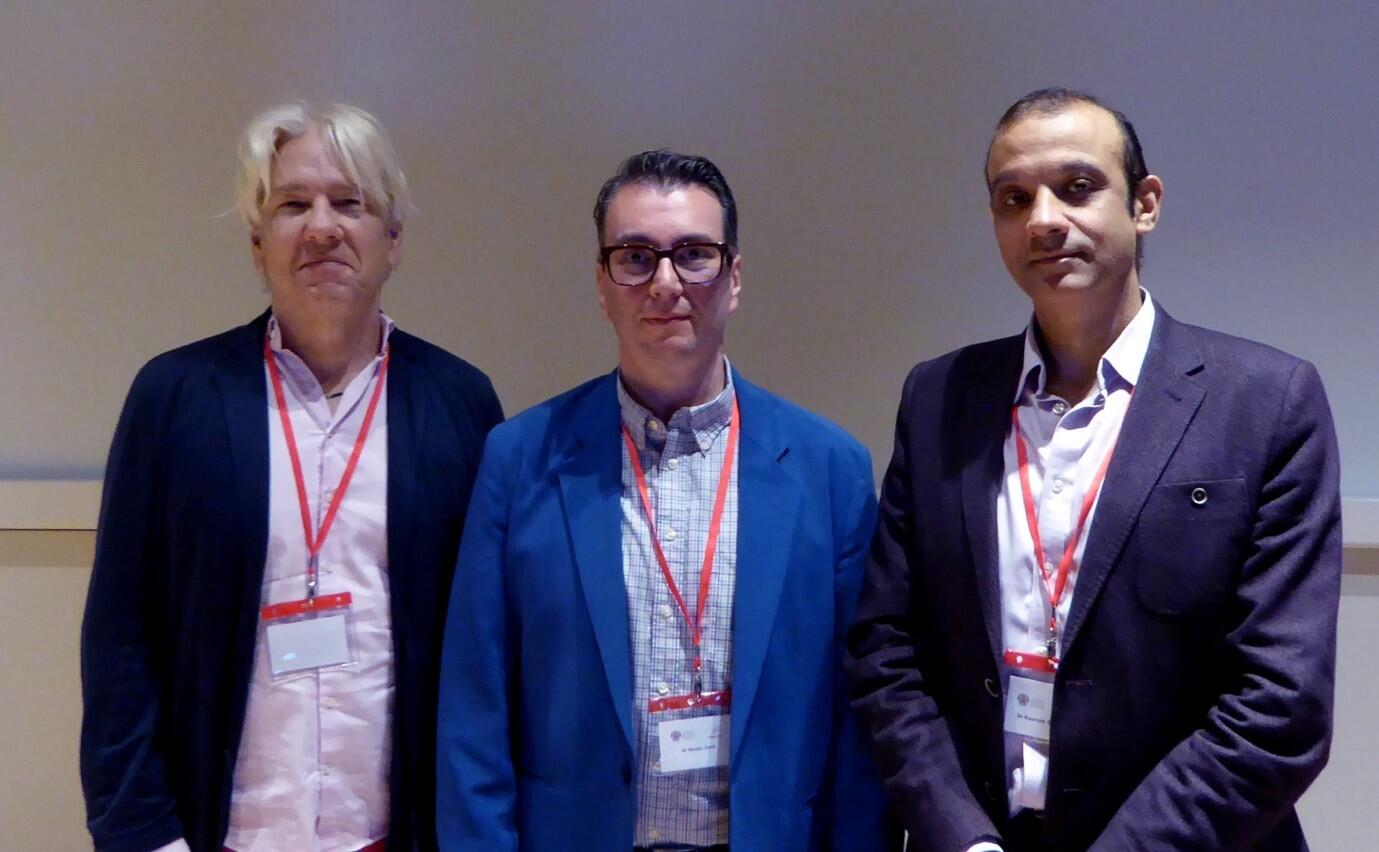



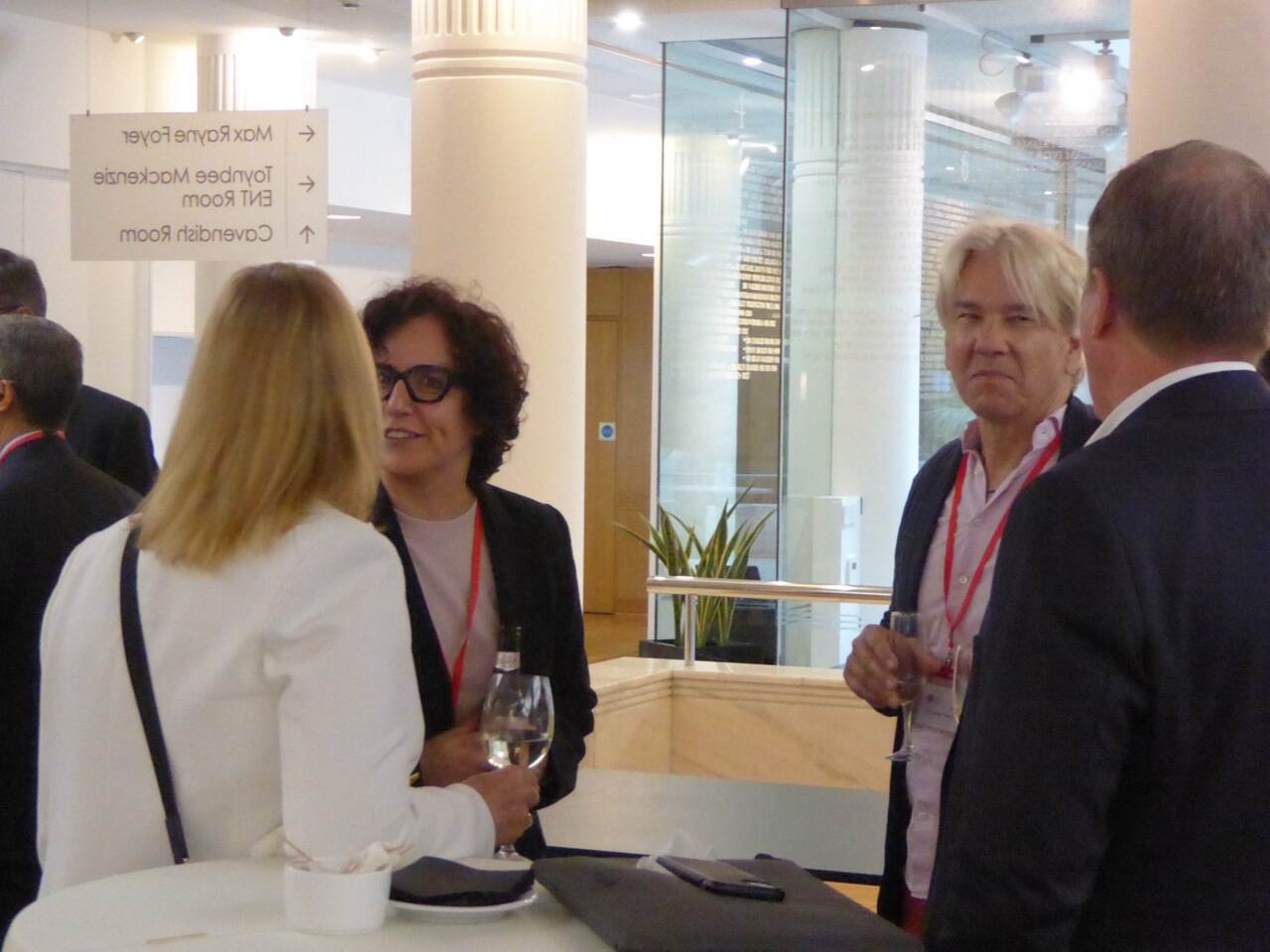


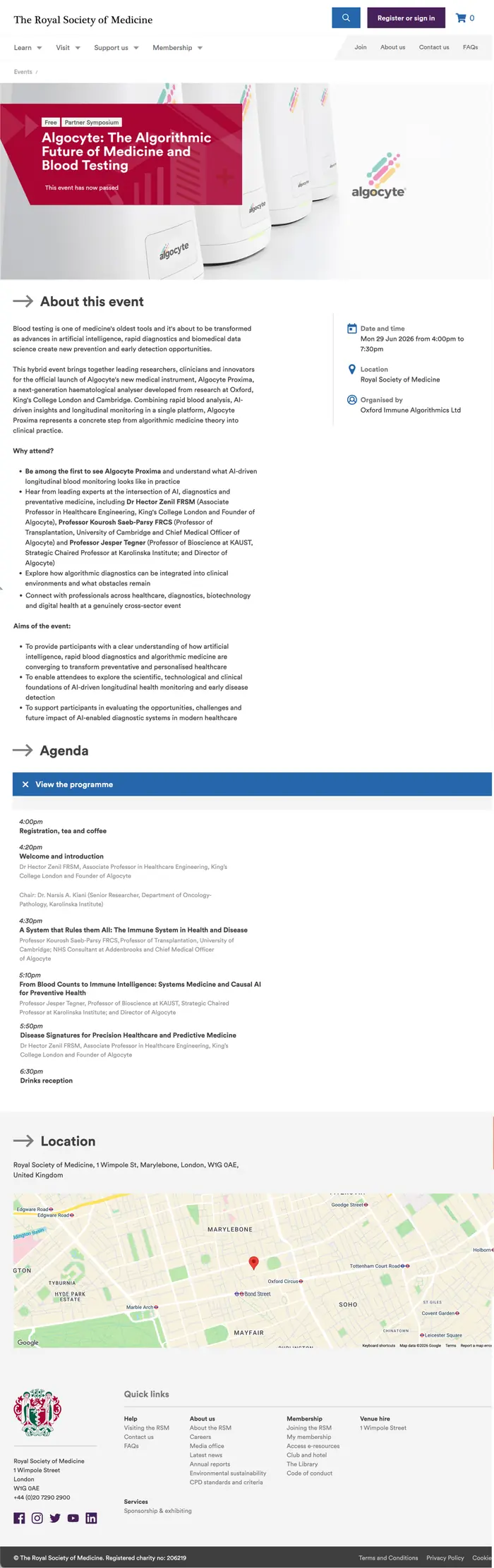
World's media coverage
- TIME — Algocyte Introduces AI-Powered Blood Testing Analyser at Historic Venue in London by Matthew Kayser
- Medtech Insight — AI 'Inspired By Quantum Physics' Aims For Home Blood Testing by George Underwood
- Forbes — A Blood Test That Tells You What's Coming, Not What's Happened by Shaheena Janjuha-Jivraj
- Forbes Mexico — Un mexicano lidera desde Reino Unido una empresa que busca transformar la atención médica mediante inteligencia artificial
- El Economista — Un equipo mexicano al frente de una empresa británica lanza un nuevo dispositivo médico de vanguardia en la Royal Society of Medicine de Londres by Ximena Bravo
- CLP — Algocyte Launches AI-Powered Portable Blood Analyzer for Remote Monitoring
- Il Messaggero — Analisi del sangue da casa, basta un'app by Carla Massi
- Daily Mail — I tried the UK's first DIY blood test that can spot everything from deficiencies to signs of cancer and gives you results in five minutes - will it revolutionise the NHS? by Ciaran Foreman
- King's College London — Blood test analysis from home enabled through new tech